When the Warrior Walks Home: Native Veterans Are Finally Being Welcomed Back With Songs That Are Actually Theirs
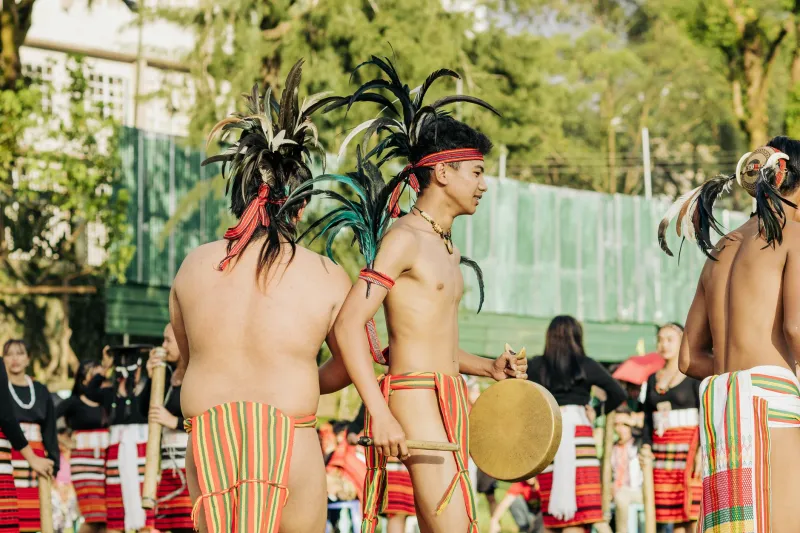
There's a particular kind of silence that follows a warrior home. Not the peaceful kind — the hollow kind. The kind that settles in when the ceremony waiting for you was designed for someone else.
For generations, that's exactly what Indigenous veterans walked into. They'd served. They'd survived. They'd come back carrying things no one should have to carry. And the music greeting them at homecoming events, at VA gatherings, at tribal halls — it was borrowed. Bugle calls. Patriotic anthems written by and for a country that spent centuries trying to erase the very cultures these veterans came from. Meaningful to some, sure. But not theirs.
That's changing now. Slowly, powerfully, and in ways that are starting to ripple across Indian Country.
The Gap Nobody Talked About Out Loud
Native Americans serve in the U.S. military at higher rates per capita than any other demographic group in the country. That's not a footnote — it's a defining fact about Indigenous communities that often gets buried under more comfortable narratives. And yet, for all that service, the cultural infrastructure around welcoming those veterans home has lagged badly behind.
Part of that is the long shadow of assimilation policies. Tribal ceremonies — including warrior songs — were suppressed, criminalized, and interrupted for so many decades that entire generations lost access to them. By the time Native veterans started coming home from Vietnam, Korea, the Gulf, Iraq, and Afghanistan, the specific songs that once marked a warrior's return had, in many communities, been partially or entirely lost.
So families and tribes improvised. They used what was available. And what was available was mostly mainstream American military tradition.
Veterans noticed. They didn't always say it out loud, but they noticed.
Drum Groups Are Leading the Recovery
What's happening now isn't one movement with a single face. It's dozens of conversations, recordings, and revivals happening simultaneously across different nations — each one rooted in a specific tribal tradition rather than some generic pan-Indian concept of warrior music.
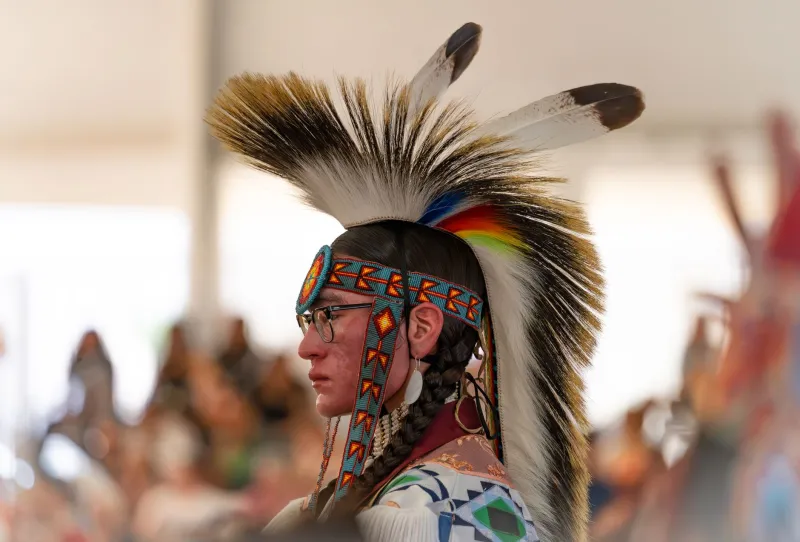
In the Northern Plains, drum groups that have long maintained warrior song traditions are being called on more intentionally to lead veteran homecoming ceremonies. These aren't symbolic gestures. Elders and veterans are sitting down together to talk about which songs are appropriate, what they mean, and how they should be performed. The specificity matters enormously. A Lakota warrior song is not a Navajo warrior song. A Haudenosaunee honoring tradition is not an Ojibwe one. Getting that right is the whole point.
Composers are also stepping up to fill gaps where older songs were lost. Several Native musicians — some of them veterans themselves — have been working with tribal historians and knowledge keepers to create new songs that are culturally grounded rather than invented from scratch. Think of it less like writing a new anthem and more like completing a sentence that got interrupted a hundred years ago.
One approach that's gained traction in several communities involves recording these homecoming songs and making them accessible to tribal veterans' organizations, so that even smaller communities without active drum groups can access culturally appropriate music for their ceremonies. That's a quiet but significant shift — using modern tools to protect and distribute something deeply traditional.
What Veterans Actually Say
Talk to Native veterans about this, and you'll hear a consistent thread. The mainstream military ceremony stuff — the folded flags, the formal salutes, the bugle playing taps — carries real weight for a lot of them. They don't necessarily want to throw that out. But there's something that happens when the drum starts and the song is one that belongs to their people, their history, their specific nation. Something settles.
One veteran described it as the difference between being thanked and being known. A borrowed ceremony can thank you. Only your own tradition can truly know you.
Families talk about it too. Mothers and grandmothers who watched their kids leave and didn't know what songs to sing when they came back. Some of them are the ones pushing hardest for this revival — not just for the veterans, but for themselves. For the right to mark this moment the way their ancestors would have, the way the ceremony was always supposed to go.
The Composers Doing the Work
It's worth naming what's actually required to make this happen, because it's not simple. Composing or reviving a warrior homecoming song isn't just a musical task. It involves deep collaboration with elders, careful attention to protocol, and a willingness to be corrected when you get something wrong. The best Native composers working in this space treat that process with the seriousness it deserves.
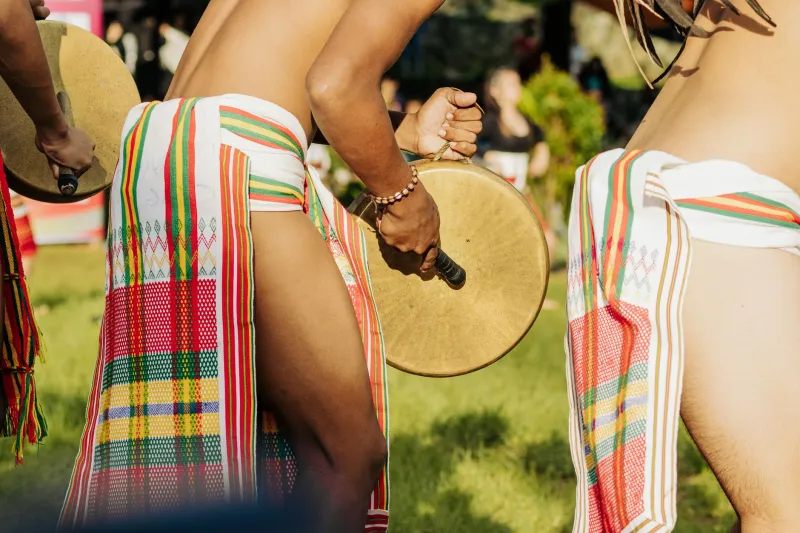
Some of the most compelling work is happening at the intersection of traditional forms and contemporary recording. Drum groups recording high-quality versions of warrior songs so they can be preserved and shared. Composers layering traditional instrumentation with production techniques that make the recordings accessible without diluting what makes them powerful. It's a balance that requires both technical skill and cultural humility.
What's notable is that this work is almost entirely community-driven. It's not coming from outside institutions or well-meaning nonprofits. It's veterans talking to musicians talking to elders talking to families. The music industry, as usual, has nothing to do with it — and that's probably exactly right.
Ceremony Isn't a Performance
One thing that comes up repeatedly in these conversations is the distinction between ceremony and performance. A homecoming song isn't a show. It's not entertainment. It's a function — a sacred, specific, culturally load-bearing act that does real work in a community.
That distinction matters for how we talk about this music, and it's one reason Native Cat Recordings approaches coverage like this carefully. We're not here to turn ceremony into content. We're here to recognize that the artists, musicians, and drum groups making this revival possible are doing something that goes far beyond music-making in the conventional sense. They're repairing something. They're returning something. They're saying, plainly and powerfully, that a warrior who comes from a specific people deserves to come home to the specific songs of that people.
That's not a small thing. That's everything.
The Song That Should Have Always Been There
There's no clean ending to this story because it's still being written. In community centers and tribal halls and VA parking lots across the country, Native veterans are still sometimes coming home to ceremonies that don't quite fit. But more and more, that's starting to change — one drum group, one composer, one recovered song at a time.
The warriors who served deserve that. So do the families who waited. And so do the songs themselves — the ones that were suppressed and interrupted and nearly lost, finally finding their way back to the moment they were always meant for.
When the warrior walks home, the music waiting for them should know their name. That work is happening now. It's about time.