Cap, Gown, and a Drum: Native Students Are Finally Hearing Themselves in Their Own Graduation Moments
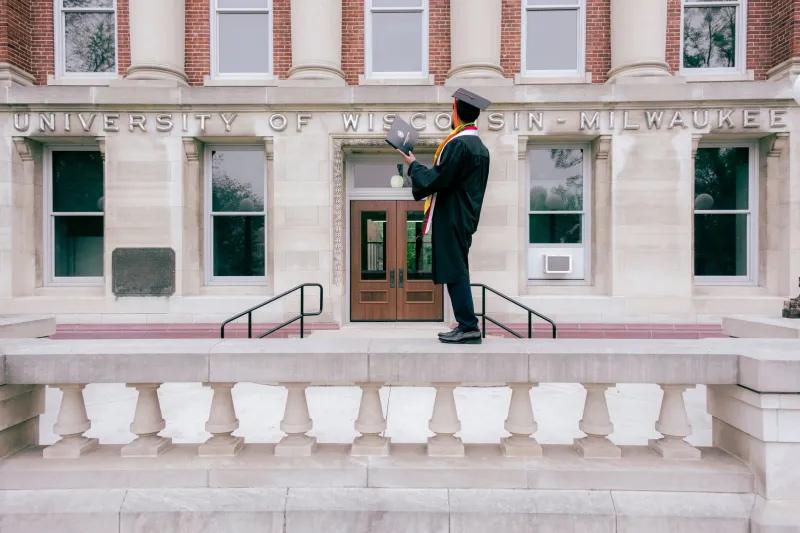
There's a particular kind of silence that lives inside a ceremony that doesn't see you. You're wearing the robe. You're moving across the stage. Everyone around you is clapping. But the music playing — the brass-heavy march, the organ swells, the same Elgar processional that's echoed through American gymnasiums since the late 1800s — has absolutely nothing to do with you, your family, your language, or the road it actually took to get here.
For generations of Indigenous students across the country, that's exactly what graduation felt like. A milestone wrapped in someone else's soundtrack.
That's starting to change, and the people changing it aren't waiting for school boards to catch up.
The Problem With "Pomp and Circumstance"
Edward Elgar wrote his famous march in 1901 in England. It became the default American graduation song almost by accident — a cultural transplant that calcified into tradition before most people thought to question it. For white, Western students, it's a neutral backdrop. For Native students, it's one more reminder that the institution they just survived was never really built for them.
That word — survived — matters. Indigenous students navigate educational systems that have historically been designed to disconnect them from their identities. Graduation, for many, isn't just an academic achievement. It's a declaration. It's proof that they made it through without losing themselves. And for that kind of moment, a British march written before their great-grandparents were born just doesn't cut it.
Community members, educators, and musicians started noticing this gap years ago. Some began quietly composing alternatives. Others worked directly with students to create something entirely new. What's emerged, slowly and beautifully, is a growing movement of Indigenous graduation music — original songs and soundscapes that bring drum, language, and cultural memory right into the cap-and-gown moment.
Starting Small: Kindergarten Completions and the Power of First Sounds
Not every milestone happens at a university. On reservations and in tribal schools across the country, even the smallest academic transitions are being marked with intentional music. Kindergarten completions, fifth-grade promotions, eighth-grade send-offs — these ceremonies matter deeply in tight-knit communities, and more educators are recognizing that the music accompanying them should matter too.
In several tribal schools, music teachers have started working with elders and community musicians to compose short, original pieces for these early ceremonies. Some incorporate traditional songs with new lyrics that speak directly to the kids moving up — their names, their clans, their futures. Others weave in Indigenous language phrases that carry specific meanings around growth, responsibility, and belonging.
For a lot of kids, it's the first time they've heard their own language amplified in an official school setting. That's not a small thing. It's a signal, even to a six-year-old, that who they are is worth celebrating out loud.
College Graduation and the Weight of Getting There
The stakes feel different at the college level. Native students graduate from four-year universities at lower rates than most other demographic groups in the US — a gap that reflects decades of systemic underfunding, cultural alienation, and the very real psychological toll of navigating predominantly white academic spaces. When a Native student crosses that stage, it carries the weight of family, community, and history.
Some universities with significant Indigenous student populations have started incorporating Native music into their commencement ceremonies — not as a token gesture, but as a genuine collaboration with student groups and tribal nations. At a handful of institutions, student-led Indigenous cultural organizations have commissioned original graduation songs, working with Native composers and musicians to create something specifically for their graduating class.
One approach that's gained traction: collaborative songwriting workshops in the months leading up to graduation, where students contribute words, memories, and musical ideas that get woven into a final piece performed live at the ceremony. The result is something no one else has — a song that belongs to that specific group of people, in that specific moment.
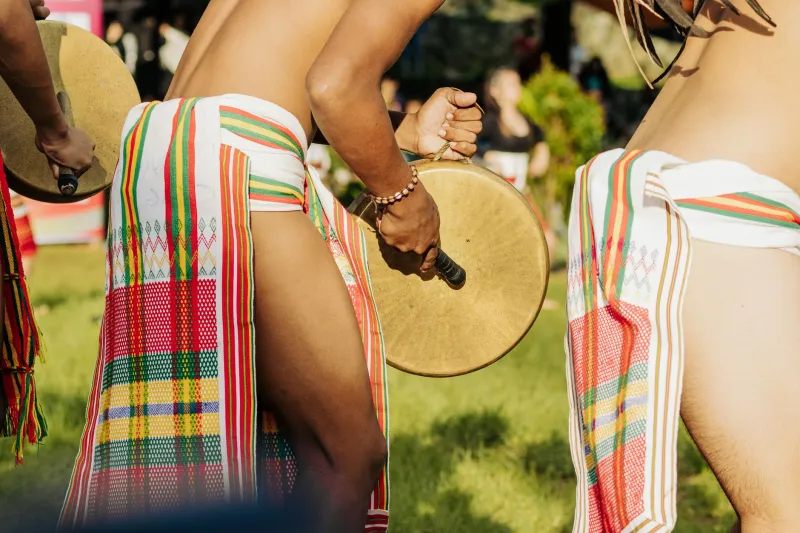
When a drum sounds in a university gymnasium during commencement, and the lyrics are in Lakota or Diné or Ojibwe, something shifts in the room. Family members who've traveled long distances to be there hear it differently than everyone else. They feel it.
The Artists Behind the Music
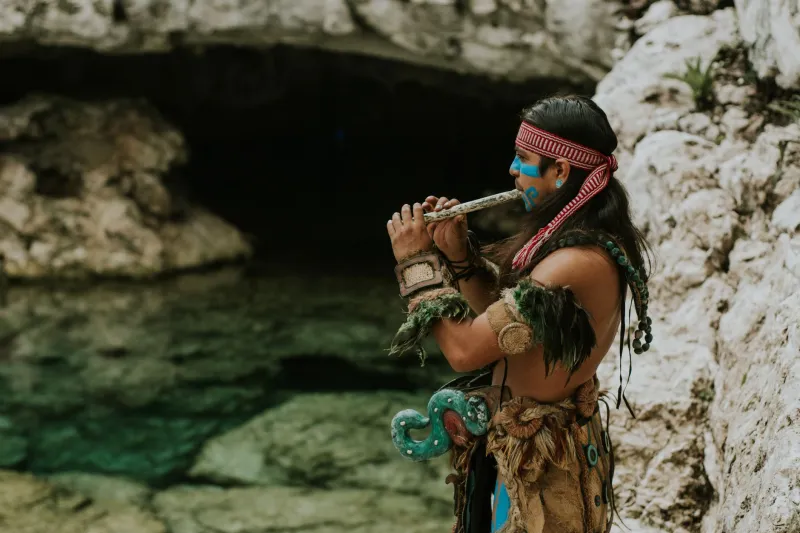
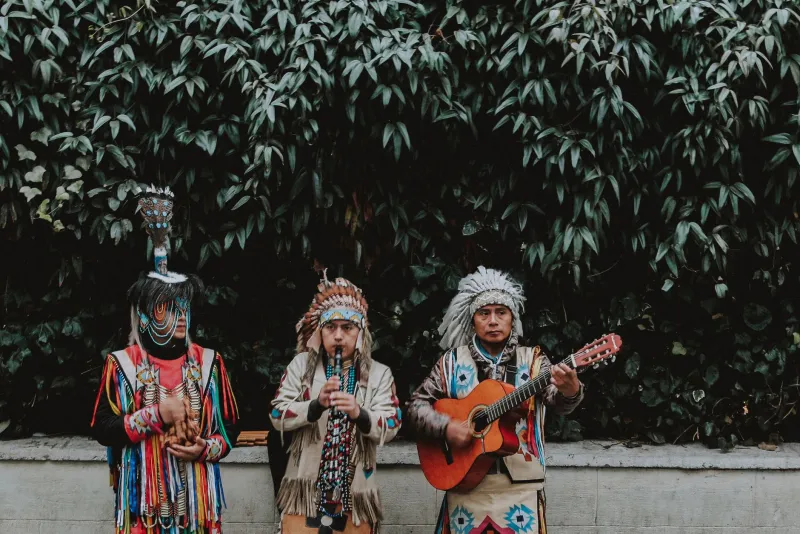
The composers and musicians doing this work don't always get spotlighted the way they should. Some are educators themselves — music teachers on reservations who quietly build ceremony music into their curriculum. Others are independent artists who got a call from a school or student group and said yes without hesitation.
What they share is a deep understanding of what it means to compose for a community rather than for an audience. This isn't music designed to impress. It's music designed to hold people. There's a difference, and it shows in how these songs land.
Many of these artists also navigate a careful balance — honoring ceremonial traditions that aren't meant for public performance while still creating something that works in a secular, institutional setting. That requires real cultural knowledge and community consultation, not just good intentions. The best graduation music coming out of Indigenous communities right now reflects that care. It sounds like it belongs because it was built to belong.
What It Feels Like to Hear Yourself
Talk to Native graduates who've experienced this — who walked across a stage while a drum played and a song in their language filled the room — and the descriptions get emotional fast. People talk about crying before they even realize it. About looking out at their families and seeing their grandparents' faces change. About feeling, maybe for the first time in their entire academic career, like the school was actually speaking to them.
That's the thing about music. It bypasses the intellectual and goes straight to the gut. You can sit through twelve years of education that treats your culture as history or footnote, but when you hear your language sung at your graduation, something in you recognizes it immediately. It says: you were always here. You always mattered. This moment is yours.
The Movement Keeps Growing
This isn't a trend with a hashtag yet. It's quieter than that — a series of individual acts of love and intention happening in tribal schools, community colleges, and universities across Indian Country. But it's building. More educators are asking for it. More students are demanding it. More artists are answering the call.
At Native Cat Recordings, this is exactly the kind of work we want to amplify. Not because it's a novelty, but because it's necessary. Every Indigenous student who walks across a stage to music that actually reflects who they are gets something that can't be quantified — a confirmation that their identity and their achievement aren't in conflict. That they don't have to choose.
The graduation song nobody heard for generations is finally getting written. And it sounds like home.