Songs for the Whole Journey: Indigenous Artists Are Finally Scoring Every Chapter of Native Life
Think about the last major moment in your life. A birth. A graduation. A funeral. Chances are, there was music. And chances are, that music came from somewhere that had nothing to do with who you actually are.
For a lot of Native Americans, that disconnect has been the reality for generations. The hymns, the pop ballads, the generic ceremony playlists — they fill the room, but they don't fill the space. They don't know the land you come from, the language your grandparents spoke, or the specific weight of what it means to mark a milestone inside a community that spent over a century being told its traditions weren't worth keeping.
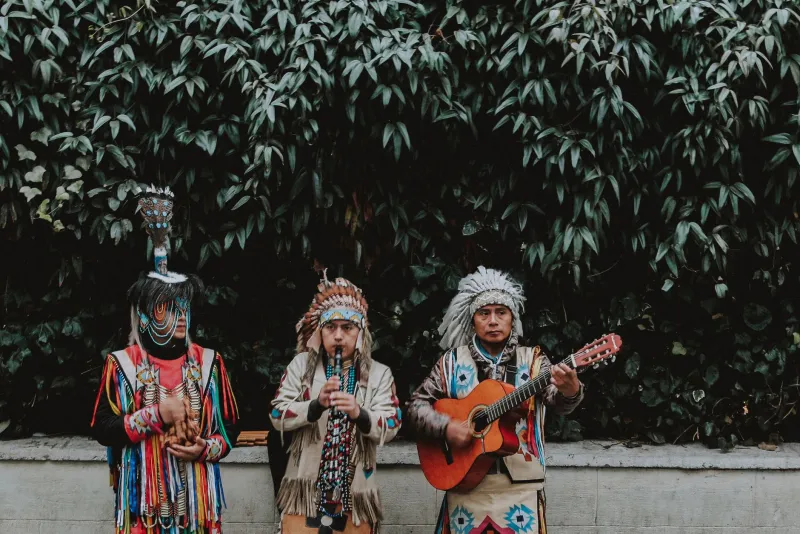
That's starting to change. Across Indian Country, a deliberate and deeply personal movement is taking shape — one where Indigenous composers and musicians are writing original music specifically designed to accompany the full arc of Native life. Not just protest songs. Not just powwow tracks. Songs for the moments that matter most.
Filling the Silence Left Behind
Cultural erasure doesn't just steal language and ceremony. It steals the soundtrack. Boarding schools didn't only silence Indigenous tongues — they replaced the music of birth, of puberty, of death, with something foreign. Something that didn't know the people it was supposed to comfort.
For many Native communities, that rupture left real gaps. Families who wanted to honor a newborn with something rooted in their heritage sometimes had nothing to reach for. Graduates walking across stages at tribal colleges found themselves moving to the same Elgar processional playing at every suburban high school in America. The music of life's biggest moments was borrowed from a culture that had spent centuries trying to erase theirs.
That's the wound these artists are working to close.
Composers from the Diné Nation to the Ojibwe communities of the Great Lakes are now intentionally crafting what some call "life cycle music" — original compositions tied to specific ceremonies, transitions, and communal rituals. The work is deeply collaborative, often developed in direct conversation with elders, community members, and ceremonial leaders to make sure nothing sacred gets flattened into something decorative.
The Naming Song, the Graduation Drum
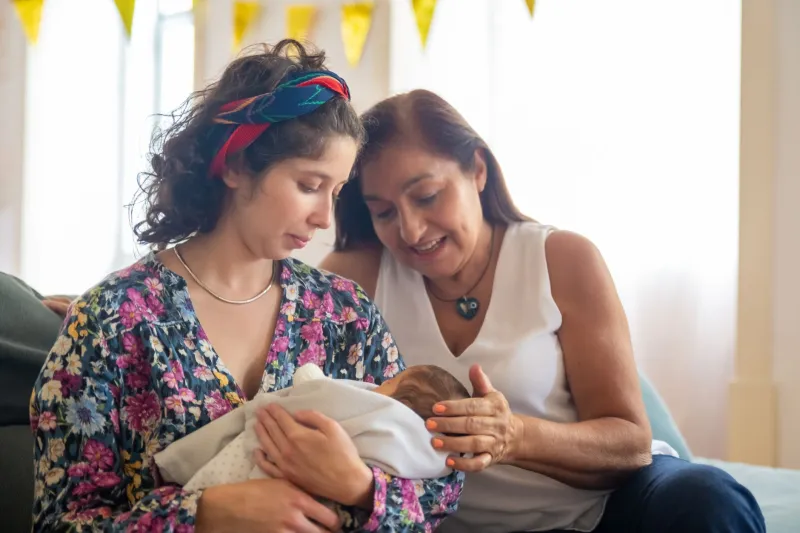
For some artists, the work starts at the very beginning. Several Lakota and Dakota musicians have been quietly composing naming ceremony songs — pieces written not as templates, but as frameworks that families can adapt, that honor the weight of giving a child their first identity within the community. These aren't songs you'd find on a playlist. They're often passed directly between artists and families, shared the way recipes and stories are shared.
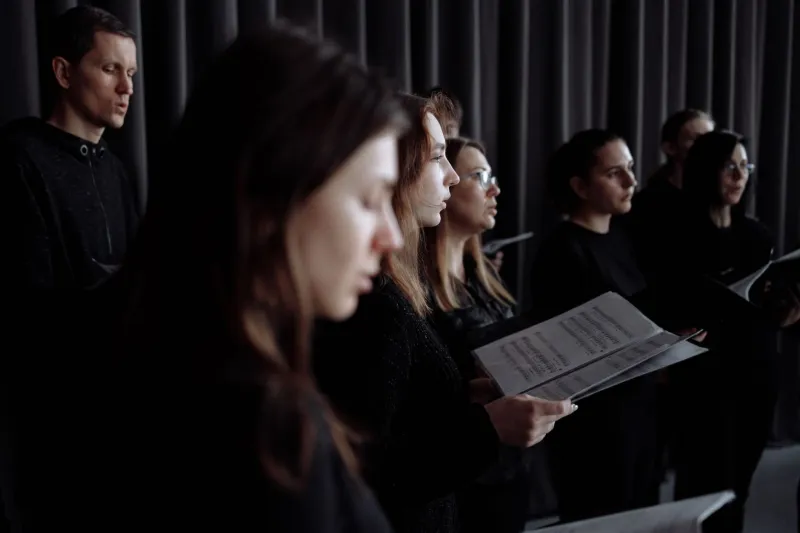
On the other end of the spectrum, graduation has become a surprisingly generative space for Indigenous composers. Tribal colleges and Native-focused high schools across the country have started commissioning original processional and recessional music from Native artists — music that reflects the specific cultural context of what those graduates have accomplished. Walking across a stage at a tribal college isn't just an academic achievement. It's often an act of survival, a reclamation, a statement. The music at those ceremonies is finally starting to say so.
One composer working in this space — a citizen of the Muscogee Nation who splits her time between Oklahoma and Nashville — described the commission process as "writing a letter to someone you haven't met yet." You know something about who they are, where they come from, what they've carried. You write toward that. The music becomes a kind of recognition.
When the Song Has to Hold Grief
Funeral music might be the most emotionally demanding frontier in this movement. Death ceremonies across Indigenous cultures carry enormous specificity — protocols, timings, spiritual responsibilities that vary dramatically from nation to nation. Getting this wrong isn't just aesthetically off. It can feel like a violation.
Some Native composers have approached this space with real care, working directly with ceremonial practitioners to develop music that can sit alongside traditional practices without overstepping them. The goal isn't to replace what's already there. It's to provide something for the moments when communities are navigating a hybrid reality — when a family wants both the traditional and the contemporary, when the funeral is happening in a church hall in Albuquerque and someone needs music that still carries the memory of something older.
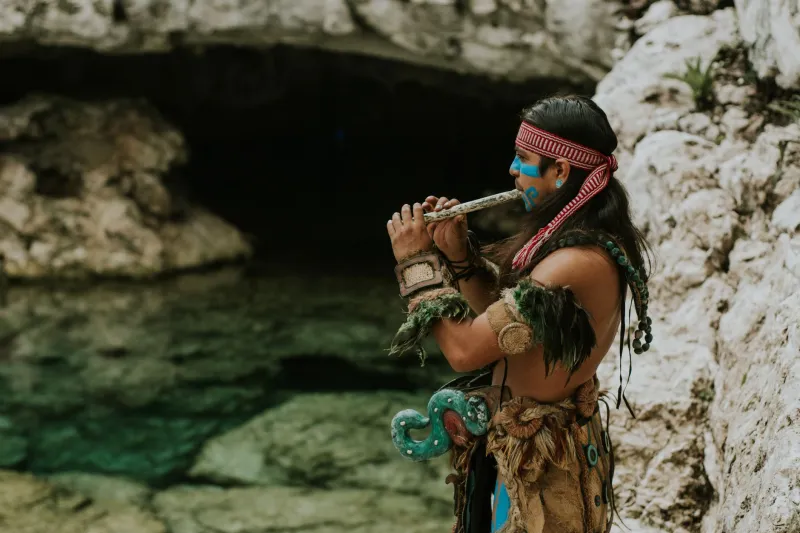
A Navajo flutist and composer based in the Southwest has spent several years developing what he calls "threshold music" — pieces designed specifically for the liminal moments around death and mourning. He records with both traditional instruments and contemporary production, and he's adamant that none of it gets licensed commercially. It belongs to the communities it was made for.
Blending Old and New Without Losing Either
One of the most striking things about this movement is how it handles the tension between traditional instrumentation and modern production. These aren't artists trying to choose between authenticity and accessibility. They're refusing that binary entirely.
A Haudenosaunee producer from upstate New York has been layering hand drums and water drums beneath ambient electronic textures, creating ceremonial-adjacent soundscapes that feel both ancient and completely present. An Anishinaabe singer-songwriter from Minnesota has been writing coming-of-age songs in Ojibwe that use acoustic guitar and subtle synth pads — music that could live on a streaming platform but was written specifically for a community's berry-picking ceremony. The songs exist in both worlds at once, and that's exactly the point.
This isn't fusion for fusion's sake. It's a practical response to the reality of contemporary Native life, which has always been plural, always been adaptive, always been more complicated than the outside world wants it to be.
Who Gets to Hear It
Not all of this music is meant for public consumption, and that's a boundary worth respecting. Some of the compositions being developed for naming ceremonies or specific healing rituals are intentionally kept within communities. The artists making them are clear: cultural sovereignty applies to music too.
But some of it is finding its way outward — not as commercial product, but as testament. A few tribal colleges have started archiving the commissioned graduation music they've used, building a growing library of Indigenous milestone soundtracks for future generations. Some of the funeral compositions have been shared with grief counselors working in Native communities, offered as tools rather than performances.
What's emerging is less an industry and more an ecosystem — one where music is understood as a form of care, a way of saying we see you at this moment, we know what this moment means, and we made something for it.
A Soundtrack That Actually Knows You
There's something profound about having music that was made with you in mind. Not your demographic. Not your streaming data. You — your community, your history, the specific grief and joy and ceremony of the life you're actually living.
For too long, Indigenous Americans have had to borrow the soundtracks to their most personal moments from cultures that either ignored or actively harmed them. The artists doing this work are changing that, one composition at a time — writing music that can hold a newborn's name, carry a graduate's pride, and sit with the weight of loss without flinching.
That's not a small thing. That's everything.