Singing the Language Back to Life: The Indigenous Artists Turning Every Verse Into an Act of Resistance

Photo by Photo by neil godding on Unsplash on Unsplash
Somewhere between 150 and 200 Indigenous languages are still spoken in the United States today. Linguists estimate that without serious intervention, most of them won't survive this century. That's not a statistic about the past. It's a forecast about what we're in the middle of right now — a slow, ongoing erasure that began with colonial policy and continues through decades of institutional neglect.
But here's what the forecast doesn't fully account for: the musicians.
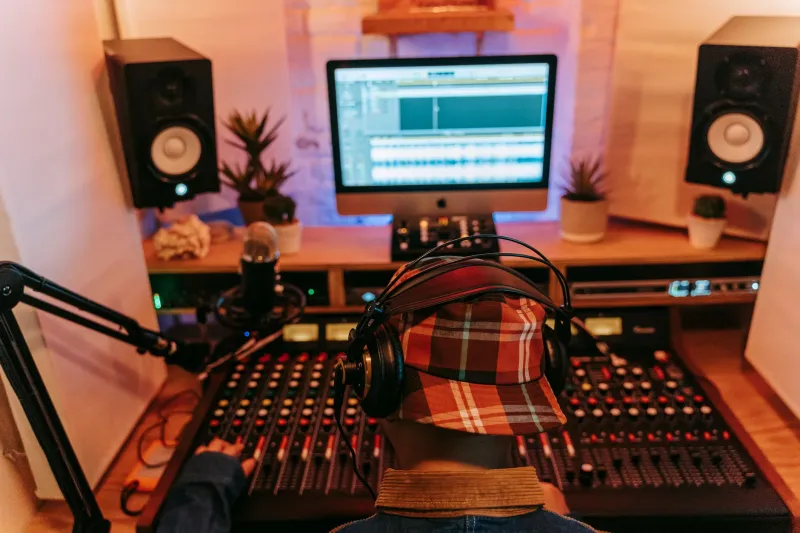
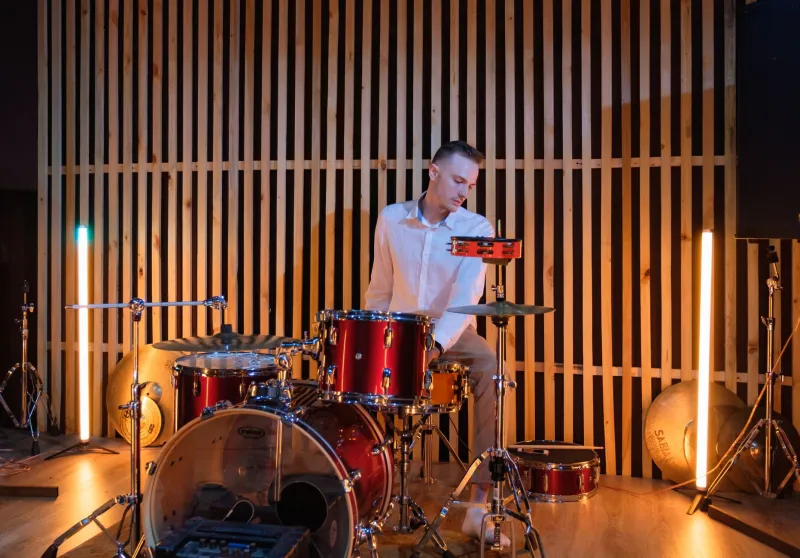
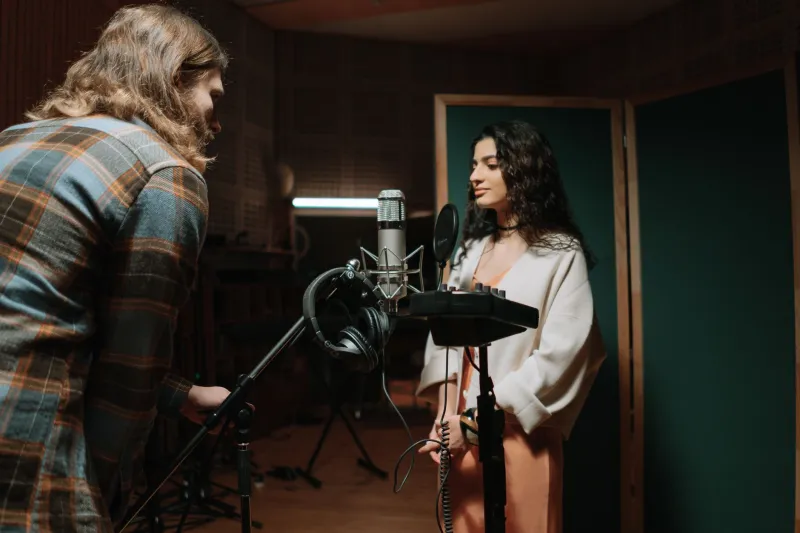
Across tribal nations, on reservation land and in urban Native communities alike, artists are picking up microphones and singing in languages that were nearly taken from them. They're releasing those songs on streaming platforms. They're posting videos on TikTok with captions explaining what the words mean. They're performing for elders who weep because they haven't heard those sounds outside of a family kitchen in forty years. A song, it turns out, can carry a language farther and faster than almost anything else.
Start Here: What You're Actually Listening To
Before we get into the artists, it's worth understanding what makes this movement distinct from, say, a band choosing to record in French or Spanish. Indigenous language music isn't an aesthetic choice. It's closer to an act of repair.
Many of the languages being sung today were explicitly targeted for elimination. The boarding school era — which forcibly removed Native children from their families and punished them for speaking their languages — created generational gaps in transmission that communities are still working to bridge. When an artist records a song in Ojibwe or Diné bizaad or Lakota, they're not making a statement about cultural pride in the abstract. They're doing the actual work of keeping something alive.
Listen with that in mind. It changes how the music lands.
The Navajo Rap Scene You Should Know About
One of the most energetic corners of this movement is coming out of the Navajo Nation, where a cluster of artists are rapping and singing in Diné bizaad — the Navajo language — over everything from trap beats to acoustic guitar.
 Photo: Navajo Nation, via e3f49eaa46b57.cdn.sohucs.com
Nataanii Means has been one of the most visible figures here, weaving Diné language into his verses in ways that feel completely natural rather than performative. But he's far from alone. Artists like Def-i and Sherrick have been building an entire ecosystem of Navajo-language hip-hop that speaks directly to young Diné listeners while also pulling in curious ears from well outside the community.
What's striking about this scene is how the language shapes the flow. Diné bizaad has a tonal quality and a rhythmic logic that doesn't map onto English rap conventions. Artists working in it have to invent their own cadences — and what comes out sounds like nothing else in American music. That's not a limitation. That's a superpower.
Ojibwe Folk and the Quiet Revolution of the Great Lakes
Head north and east to the Great Lakes region and you'll find a different sonic landscape but the same essential impulse. Artists working in Ojibwe (also called Anishinaabemowin) are recording folk ballads, singer-songwriter material, and ceremonially influenced vocal music that's finding audiences both within tribal communities and far beyond them.
 Photo: Great Lakes, via images-cdn.bridgemanimages.com
Dawn Avery, a Mohawk cellist and composer, doesn't record exclusively in her ancestral language but has been a vocal advocate for language preservation through music, and her work points toward what's possible when Indigenous musicians treat their heritage as a creative resource rather than a historical artifact. Meanwhile, artists like Raye Zaragoza — who is part Akimel O'odham — have used English-language platforms to amplify conversations about language loss, creating entry points for listeners who then seek out the source material.
For a deep dive into Ojibwe-language music specifically, start with recordings from the Fond du Lac Band's language revitalization programs. Some of the most moving material being made in this space never gets a proper commercial release — it lives in community archives and language learning resources, passed person to person.
How Streaming Is Changing the Equation
For a long time, recording music in an endangered Indigenous language meant accepting a very small audience almost by definition. The infrastructure for distribution didn't exist, and mainstream labels had zero interest in material they couldn't market to a broad demographic.
Streaming changed the math. When a song on Spotify costs the same to upload whether it's in English or Lakota, and when the algorithm can surface it to anyone who's been listening to adjacent artists, the old calculus breaks down. A Navajo-language rap track can find its way into the playlist of a 22-year-old in Portland who's never been to the Southwest. A Muscogee lullaby can reach the diaspora — Native people who grew up away from their communities and are hungry for exactly this kind of connection.
Social media has amplified this even further. TikTok in particular has become an unexpected venue for Indigenous language music, with videos pairing songs with translations or cultural context racking up hundreds of thousands of views. The comments sections on these videos are worth reading. You'll find non-Native listeners expressing genuine wonder alongside tribal members describing what it means to hear their language in a format that feels current and alive.
A Listening Guide to Get You Started
If you're new to this space and want to build out a playlist, here's a framework:
For the hip-hop entry point: Look up Nataanii Means and Def-i. Both are accessible without requiring any prior knowledge of Diné culture, and both will send you down a rabbit hole.
For something more traditional in presentation but modern in reach: Seek out recordings by Pura Fé, a Tuscarora artist whose work draws on Haudenosaunee vocal traditions. Her voice alone is an education.
For the folk and singer-songwriter lane: Explore the broader catalog of artists on the NMAI (National Museum of the American Indian) digital archives, which includes recordings in dozens of Indigenous languages that you genuinely cannot find anywhere else.
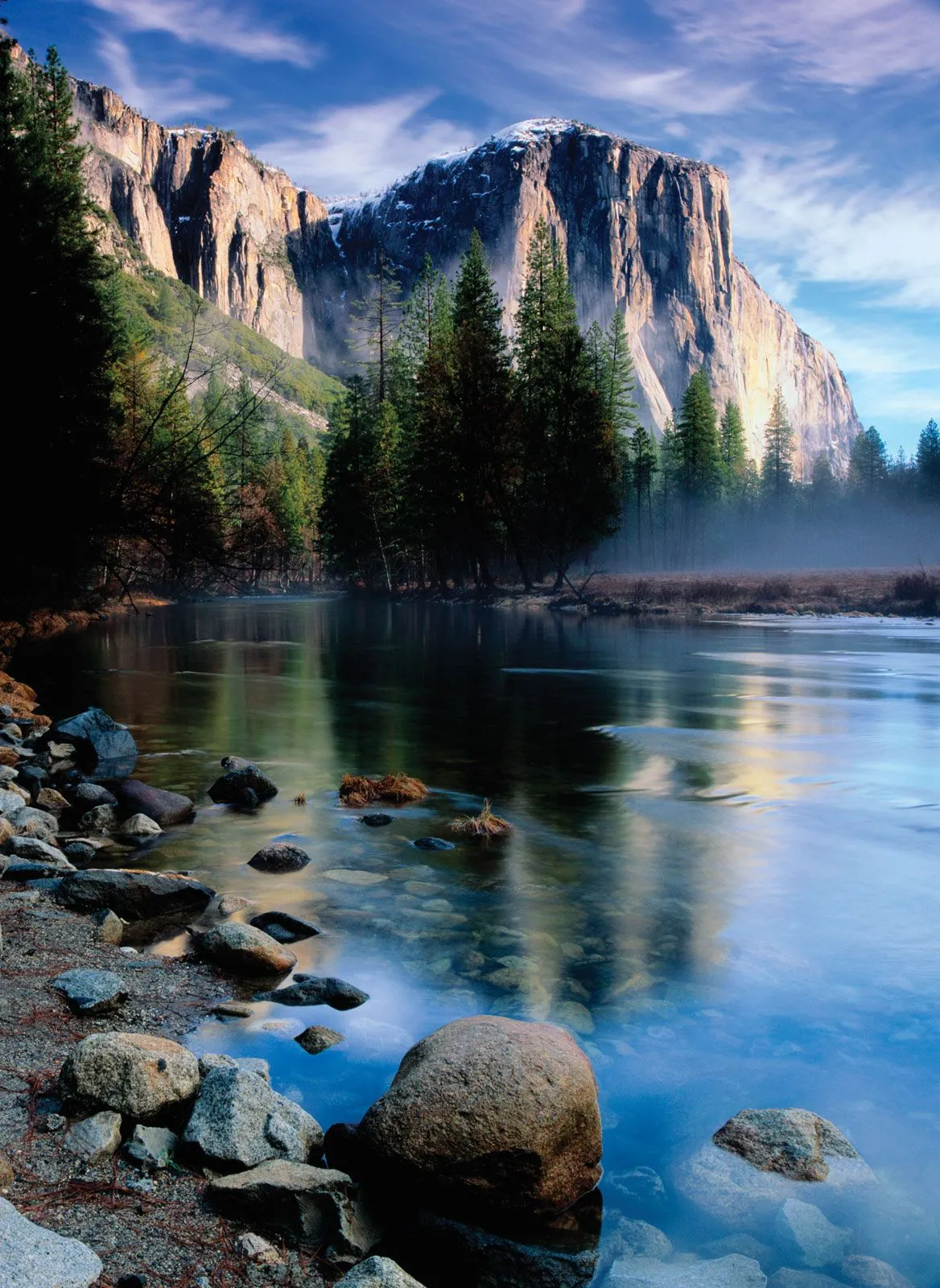 Photo: National Museum of the American Indian, via cdn.britannica.com
For the experimental edge: Look into what's coming out of Native arts organizations like Raven Radio in Alaska, where artists are doing fascinating things with Tlingit and Yup'ik language material in contemporary contexts.
The Bigger Point
At Native Cat Recordings, we believe that every Indigenous artist we platform is doing something that matters beyond the music itself. But the artists recording in their ancestral languages are doing something that carries a specific and urgent weight. They are, in the most literal sense, keeping something alive that the world cannot afford to lose.
A song in Diné bizaad is not a curiosity. A verse in Ojibwe is not a novelty act. These are acts of survival dressed up in melody, and they deserve your full attention.
Hit play. Listen closely. The language will teach you something if you let it.